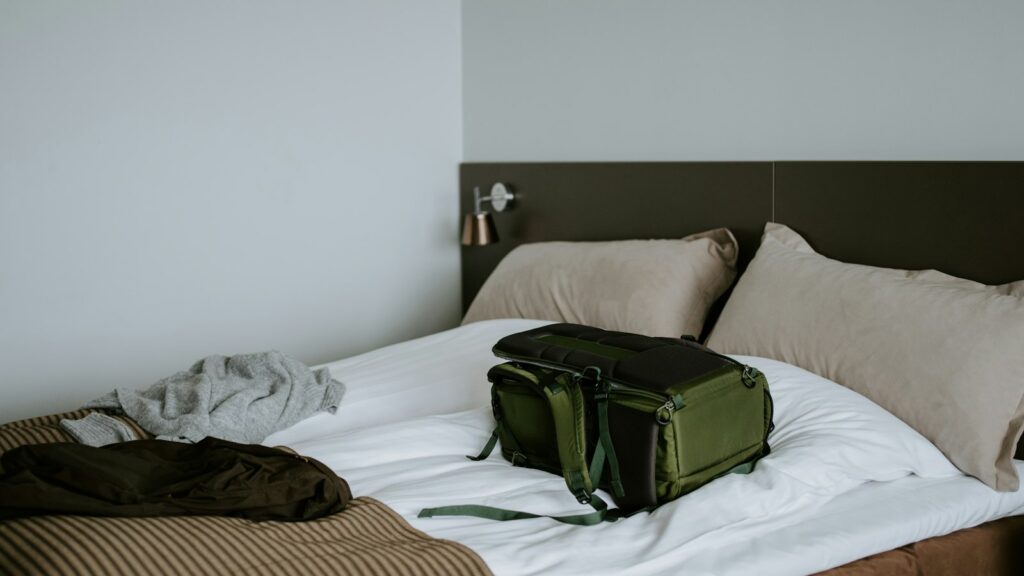
The bag is back in the hallway and the trip is already turning into memory. This is the best moment to learn from it. Before the details fade, a short debrief turns one journey’s lessons into a lighter, calmer start for the next.
Most of us pack from a list we wrote once and never question. The debrief is how that list grows wiser. It takes about twenty minutes, a cup of something warm and an honest look at what you actually used. No judgement, just notes.
Why the first evening home matters
Within a few days, the shape of a trip blurs. You remember the view from the ferry, but not that you never touched the second pair of shoes. You remember the rain, but not that the light jacket was not quite enough. Doing the debrief on the evening you return, or the morning after, captures the small practical truths while they are still clear.
It also gives the trip a gentle ending. Unpacking with attention, rather than tipping everything onto the bed, is a way of closing the chapter before the everyday rushes back in.
The best packing list is not the one you write before a trip. It is the one you edit after it.
The three-pile unpack
As you lift each item out of the bag, place it on one of three piles. Be quick and instinctive; the first answer is usually the right one.
- Used often: things you reached for most days. These are the backbone of your list.
- Used once or twice: things that earned their place on a particular day, or could have been replaced by something else.
- Never used: things that travelled there and back without leaving the bag.
Now look at the third pile without guilt. Some items there are true safety items, such as a small first-aid kit or a warm layer for an emergency, and they belong on the list even if you never needed them. The rest are gentle candidates for leaving behind next time.
Questions for your journal
Open a fresh page and write the date and the trip name at the top. Then answer a few simple prompts. Short phrases are enough.
- What did I wish I had brought?
- What did I buy on the way because I forgot it?
- Which item made the biggest difference to my comfort?
- When did my bag feel heaviest, and what was making it so?
- Which outfit did I wear most, and why?
- Was there a moment of packing stress I could avoid next time?
The answers often reveal patterns. Perhaps you always wish for a warmer layer in the evenings, or always buy a small bag for shopping because the one you packed was too stiff. Those are the notes that improve future trips the most.
Turning notes into changes
Remove with care
For each never-used item, ask whether it was there for a reason that still holds. If not, cross it off your master list. If you are unsure, mark it as “optional” rather than deleting it, and decide case by case next time.
Add with intention
For each item you wished for, add it to the list with a short note on why. “Thin gloves, for windy ferry decks” tells your future self far more than “gloves”.
Note the context
Some lessons only apply to certain trips. A beach week and a city break in late autumn want different lists. Tag your notes with the type of trip, the season and the kind of stay, so you can pull the right lessons when you plan.
A gentle rule of one: after each trip, make just one addition and one removal to your master list. Small, steady edits are easier to trust than a dramatic overhaul.
Care for the things that came home
The debrief is also a good time to look after your gear. Air out the bag, empty every pocket, and shake out sand or crumbs. Wash and dry what needs it, refill travel bottles, and recharge or replace anything that ran low. Note what needs repair, such as a loose zip or a worn strap, so it is ready before the next departure rather than discovered the night before.
- Empty and air the bag fully, then store it with a small pouch of your travel basics inside.
- Refill toiletry bottles and put them back in their pouch.
- Write any repairs on a sticky note and keep it with the bag.
Keeping the living list somewhere safe
A journal page is a lovely home for these notes, and many people keep a master list at the back of their travel journal. If you would rather keep the list where you can reach it from any device, the PackChecklist.com web app lets you set up named lists in the browser and edit them as you learn, which suits this kind of slow, trip-by-trip refinement.
The takeaway
A trip ends twice: once when you arrive home, and again when you have learned what it had to teach you. Sort as you unpack, answer a few questions in your journal, make one small addition and one small removal, and care for your gear before you put it away. Each debrief makes the next departure a little quieter.