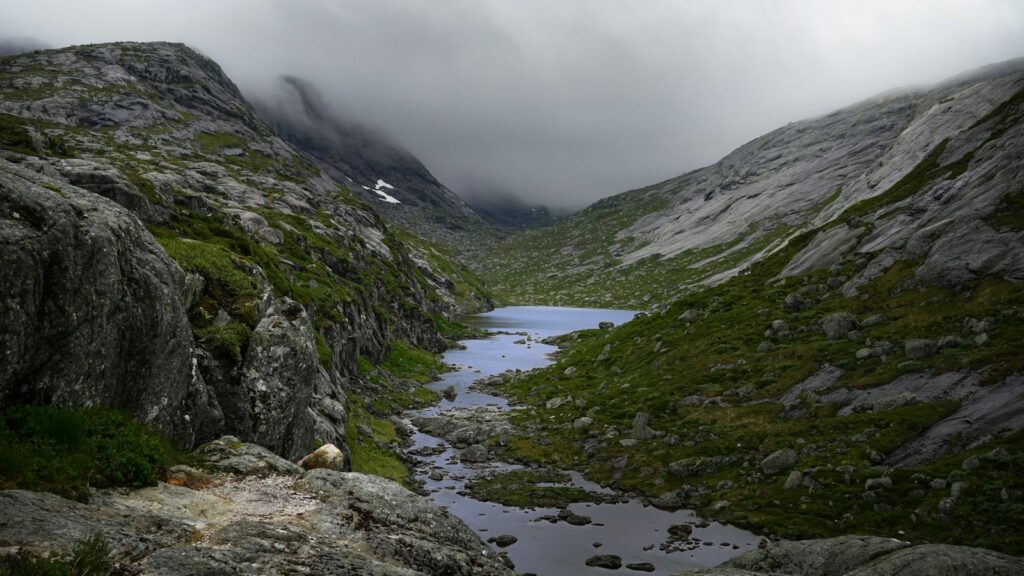
In the Nordic countries, people often say you can see several seasons in a single afternoon. Sun on the fjord, a band of rain sweeping over the hills, a cool wind at the ferry quay, then soft light again by evening. Packing for that kind of weather is less about bringing more and more about bringing the right layers.
Whether you are heading to Norway’s west coast, a Swedish archipelago, Finnish lakeland or the Icelandic ring road, the same principle applies: pack a small set of pieces that can be combined, added and removed as the sky changes. This guide walks through a calm, layered approach for spring, summer and autumn trips.
Think in layers, not outfits
Rather than planning an outfit for each day, plan a system of layers that you wear in different combinations. The classic three-layer approach is simple to remember and works well in changeable conditions.
- Base layer: a top worn close to the skin. Merino wool and quick-drying synthetic fabrics are popular because they stay comfortable when damp.
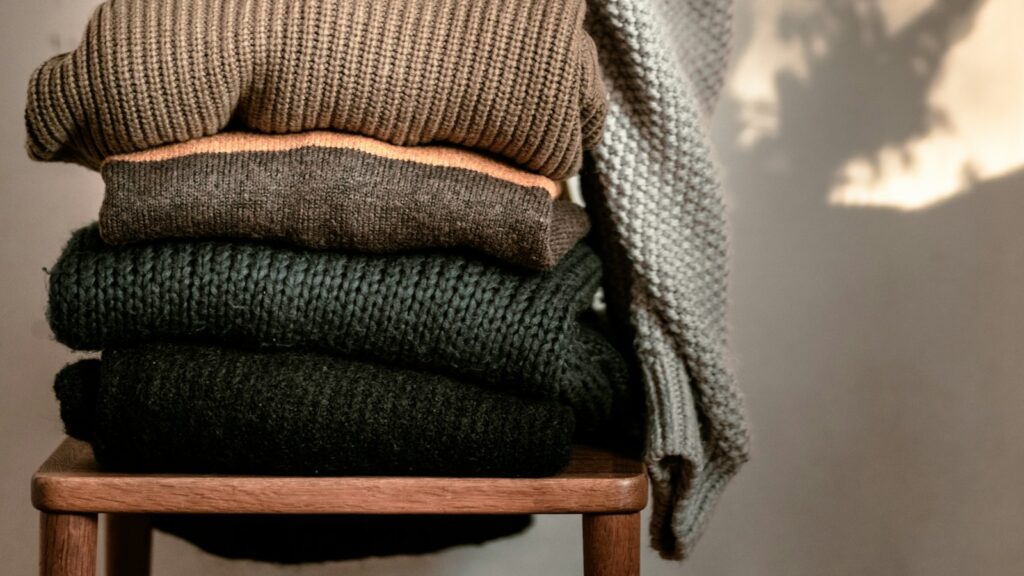
- Mid layer: something warm that traps air, such as a wool sweater, a fleece or a light insulated jacket.
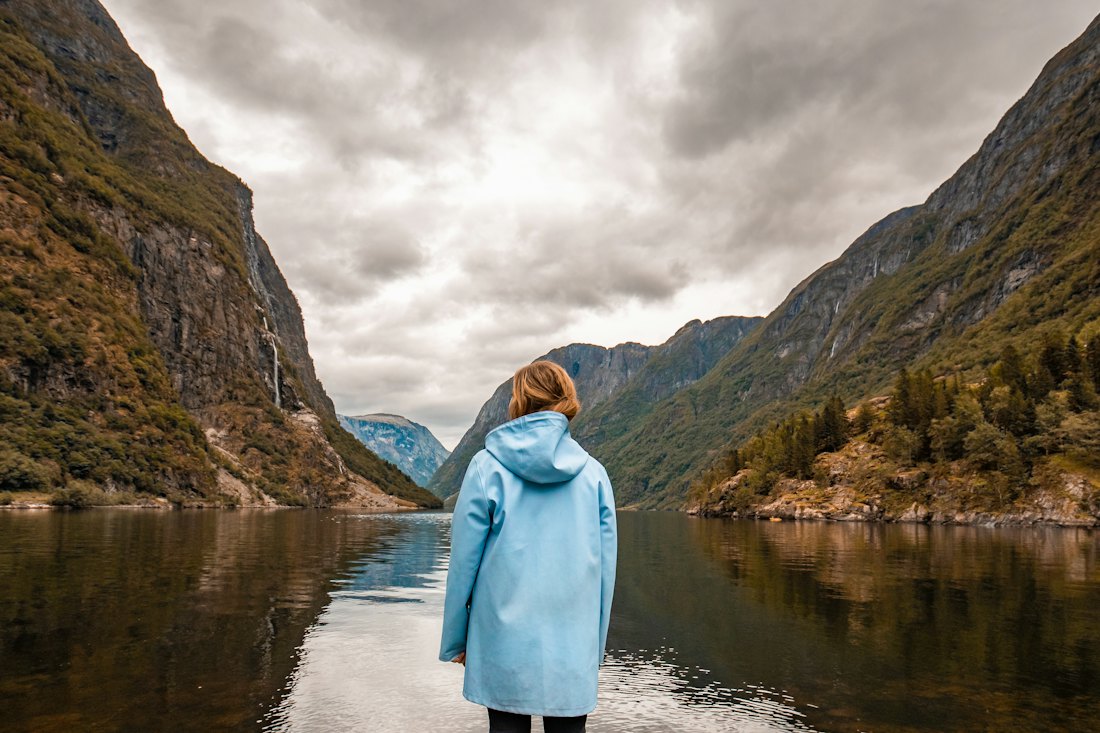
- Outer layer: a waterproof, windproof shell with a hood that you can put on in seconds.
On a mild, dry morning you may need only the base layer. When the wind picks up on the boat, the shell goes on. In a cool, wet evening all three come together. The same handful of pieces handles every version of the day.
Respect the wind and the rain
Cool air feels far colder in wind, and coastal and mountain areas can be breezy even in summer. A good outer shell is the single most useful item for most Nordic trips. Look for one that packs small and has a hood that stays on in a breeze.
Many travellers also bring waterproof trousers or a light rain skirt for hiking days and long walks. They weigh little and turn an unexpected shower into a minor detail rather than the end of a day out.
There is no bad weather, only clothing that does not suit it. A familiar Nordic saying, and a wise packing rule.
Feet, hands and head
The small extremities are where cold and damp are felt first, and they are easy to forget when you are focused on jackets.
Footwear
Comfortable, broken-in shoes with a good grip are essential for wet cobbles, harbour boardwalks and rocky paths. If you plan to hike, water-resistant walking shoes or boots are worth considering. Pack an extra pair of wool socks for every few days; dry socks make a remarkable difference to comfort.
Hat, gloves and a neck layer
A thin beanie, a pair of light gloves and a buff or scarf take up almost no space and can make a cold boat deck or viewpoint far more pleasant. Even in summer, they are often welcome in the evenings and at higher elevations.
Light, darkness and sleep
Nordic daylight changes a great deal through the year. Around midsummer, evenings can stay bright very late, while autumn and winter days grow short. Both affect what is useful to pack.
- An eye mask can help with sleep on bright summer nights.
- A small headlamp or torch is handy for darker autumn evenings and early starts.
- A reflective detail on a bag or jacket is a thoughtful addition when walking along roads in low light.
Plan for drying, not just wearing
In damp weather, the question is not only “what will I wear?” but “how will it dry?” Wool and synthetic layers tend to dry faster than heavy cotton, which can stay wet for a long time. Pack a light bag for damp items so they do not soak the rest of your clothes, and use radiators or drying racks where your accommodation offers them.
Check the forecast each evening, not once a week. Conditions can shift quickly, especially near the coast and in the mountains. A quick look the night before helps you decide which layers go on in the morning and which stay in the day bag. If you are heading into the hills, local mountain and weather services are worth consulting.
A sample changeable-weather list
As an illustration for a one- to two-week summer or shoulder-season trip, a compact layered wardrobe might include:
- Three or four base-layer tops.
- One warm mid layer and one lighter one.
- One waterproof, windproof shell with a hood.
- Two pairs of trousers, one of them quick-drying.
- Waterproof over-trousers if you plan to hike.
- Walking shoes with grip, plus one lighter pair.
- Several pairs of wool socks.
- A beanie, light gloves and a scarf or buff.
- A small day bag with a rain cover or liner.
Adjust everything to the season and region you are visiting. Winter travel, in particular, calls for a much warmer approach and specific local advice.
Keeping your layers organised
Because a layered system relies on every piece being there, it helps to write it down and check it before each departure. A page in your journal is enough. If you would rather keep the list on your phone, the PackChecklist.com web app runs in the browser and lets you set up a trip and work through essentials before you go.
The takeaway
Changeable Nordic weather rewards calm preparation. Pack a simple base, mid and outer layer system, protect your feet, hands and head, plan for drying, and check the forecast each evening. With a few well-chosen pieces, sudden rain or a cool fjord breeze becomes part of the scenery rather than a reason to stay indoors.