Two weeks on the rails has a rhythm of its own. You board, you watch the country slide past the window, you step off somewhere new with your bag in hand. Every one of those moments is easier when the bag is light and the clothes inside it all get along with each other.
A capsule wardrobe is simply a small set of clothes chosen to work together. On a rail journey it earns its keep in very practical ways: you lift your bag onto luggage racks, carry it along platforms and up station stairs, and squeeze it into compact rooms. What follows is a gentle, step-by-step way to build one for roughly fourteen days, without turning the process into a chore.
Start with the journey, not the wardrobe
Before you open a single drawer, sketch the trip in your journal. Note the stops, roughly how many nights at each, and what you expect to do there. A rail trip often mixes very different days: a long travel day in a seat, a city day on foot, a quiet day by a lake, perhaps a dinner somewhere a little smarter.
Look for the patterns rather than the exceptions. If most days are “walk a lot, sit a while, eat somewhere relaxed”, that is what your capsule should serve. The single formal evening can be handled with one or two pieces that dress up an otherwise everyday outfit.
Pack for the trip you will actually take, not the one you imagine on the night before departure.
Choose a quiet colour story
The secret of a capsule that works is colour. Pick two calm base colours, such as navy and stone, or charcoal and oatmeal, and one or two accent colours you enjoy wearing. When every top goes with every bottom, a handful of pieces quietly multiplies into many combinations.
- Base colours for trousers, skirts, outer layers and shoes.
- Lighter neutrals for tops close to the skin, which are easy to wash and quick to dry.
- One or two accents in a scarf, a knit or a shirt, so photos and moods do not all look the same.
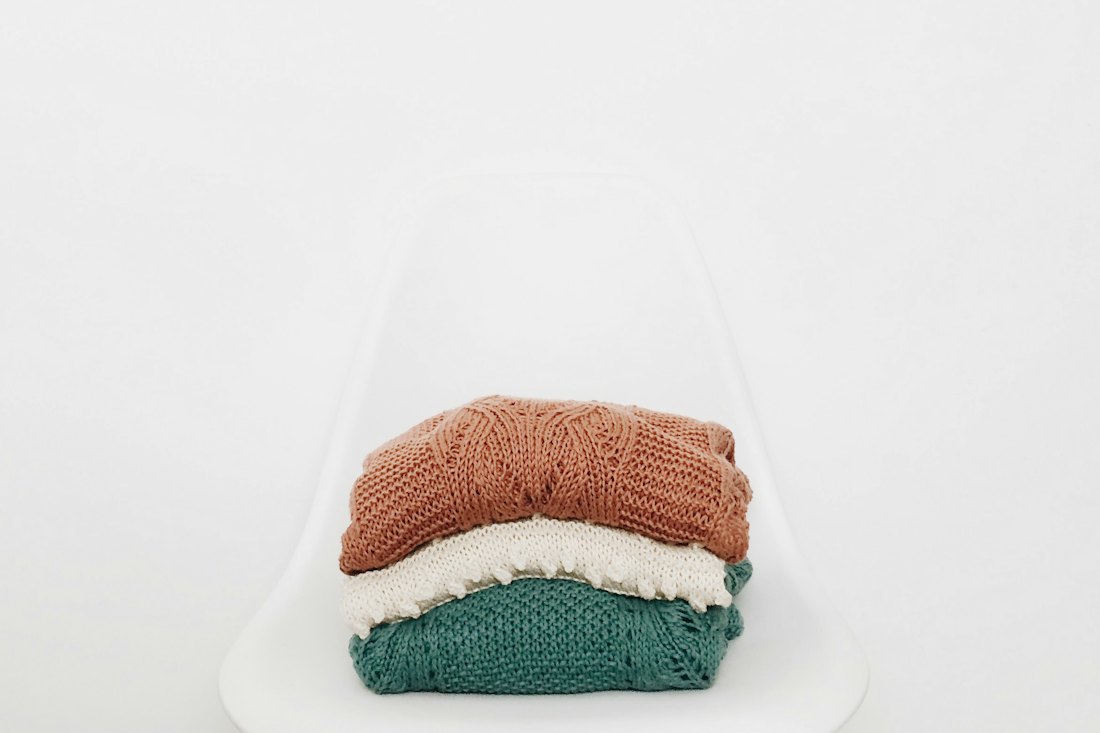
A sample two-week rail capsule
This is an illustration rather than a rule. Adjust the numbers to your climate, your laundry habits and your own comfort. The idea is to plan on washing a few things once or twice along the way instead of carrying fourteen days of clothing.
Bottoms
- Two pairs of comfortable trousers in your base colours, one of them a little smarter.
- One flexible extra: shorts, a skirt, or a third pair of light trousers, depending on the season.
Tops
- Four or five tops that work alone or under a layer.
- One shirt or blouse that feels a little dressier for evenings.
- One warm mid-layer, such as a knit or fleece, for chilly carriages and cool evenings.
Outer layer and shoes
- One light, packable jacket suited to the weather you expect.
- One pair of well-worn walking shoes you trust, plus one lighter pair if you have space.
Small things
- Sleepwear that can double as lounge wear on long travel days.
- Enough underwear and socks for about a week, with a plan to wash.
- A scarf or shawl, which works as warmth, a pillow, a picnic cloth or a quick style change.
Dress for the carriage
Long travel days deserve their own thinking. Train carriages can feel warm one hour and cool the next, and you may sit for many hours at a time. Soft, breathable fabrics and an easy layer you can take off or put on while seated make these days far more comfortable.
Wear the heaviest pieces on travel days: the warm knit, the jacket and the sturdier shoes. That keeps the bag lighter when you lift it onto a rack, and it means your bulkiest items never need to be squeezed in at all.
A small habit that helps: keep one zipped pouch with the things you reach for during a journey, such as a water bottle, a snack, a charger, a book and a light layer. When it lives at the top of the bag, you never have to unpack on the train.
Plan a laundry rhythm
A capsule depends on a gentle washing routine. Look at your itinerary and choose one or two stops where you stay a little longer, ideally somewhere with access to a washing machine or a launderette nearby. Many travellers also rinse small items in a sink in the evening and let them dry overnight.
- Mark your likely laundry stops in your journal before you leave.
- Pack a small travel-size detergent or soap sheet, plus a few clips or a light cord.
- Favour fabrics that dry quickly, especially for tops and socks.
Test the capsule at home
Before departure, lay everything out on the bed. Try to build five or six outfits from what you see. If a piece only works with one other piece, consider leaving it behind. If you cannot picture wearing something on a real day of this trip, it probably will not leave the bag.
Then pack it and walk around the block with your bag. Lift it as if onto a luggage rack. If it feels heavy now, it will feel heavier on the fourth platform staircase. Remove one or two more items and notice how little you miss them.
Keeping the list in one place
Once your capsule is settled, write it down so you can check it again before you leave each stop. A paper page in your journal works well. If you prefer something you can open on your phone or laptop, the PackChecklist.com web app runs in the browser and lets you set up a named trip and tick off items as you pack, which can be handy for repeating the same capsule on future journeys.
The takeaway
A two-week rail capsule is less about owning the right clothes and more about choosing a calm set that works together. Sketch the journey, pick a quiet colour story, wear your heaviest layers on travel days, and plan a simple laundry rhythm. The reward is a bag you can lift with one hand and a mind that is free to watch the view.