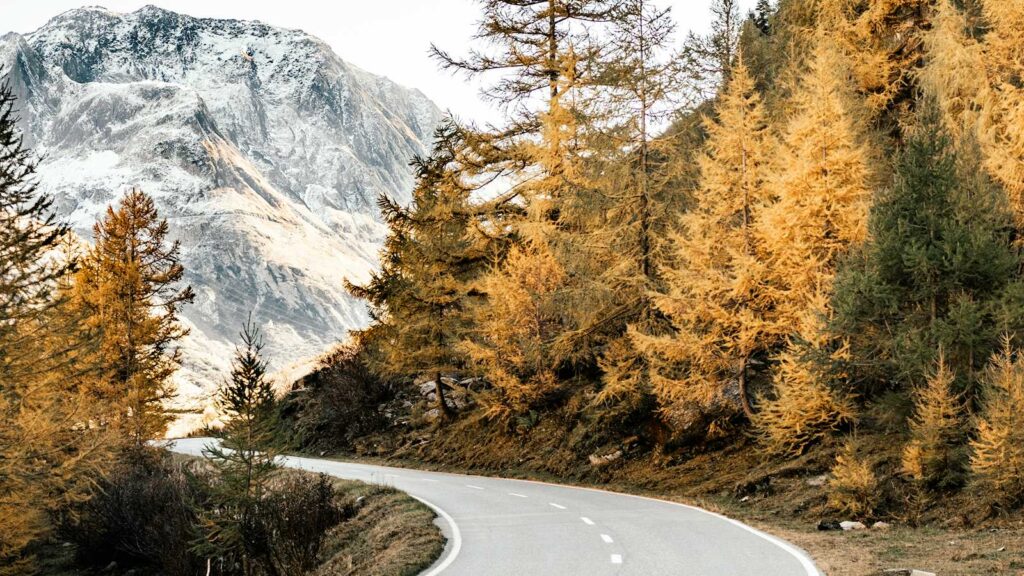
A road trip gives you something trains and planes never do: space. That space is a gift, and also a temptation. Without a little order, the boot fills with loose bags and the back seat becomes a tangle of jackets, snacks and chargers. A calmer way is to give every part of the car a purpose.
Zoning is a simple idea. Instead of packing the car as one big container, you divide it into a few areas, each holding a specific kind of thing. You always know where to look, you rarely unpack more than you need, and the journey feels lighter even when the car is full.
Why zones bring calm
Most road-trip stress happens at small moments: searching for a rain jacket at a lay-by, digging for a toothbrush at a late arrival, or emptying half the boot to find the picnic blanket. Zones solve these moments in advance. The things you need on the road stay within reach, the things you need at night come out in one bag, and everything else stays packed until you truly need it.
Give everything an address, and the car stops asking you questions.
The five zones
1. The front: the journey zone
This is for anything you use while driving or as a passenger. Keep it small and tidy so it never distracts the driver.
- Water bottles and a few simple snacks.
- Sunglasses, tissues and a small bin bag.
- Chargers and a paper map or printed directions as a backup.
2. Behind the seats: the stop zone
Things you reach for at every pause. A soft bag behind the passenger seat works well.
- Rain jacket and a warm layer for each person.
- Comfortable walking shoes if you drive in lighter ones.
- Hat, sun cream and a small first-aid kit.
3. Top of the boot: the arrival bag
One shared bag with everything you need for a single night: sleepwear, toiletries, chargers and tomorrow’s clothes. On one-night stops, this is the only bag you carry inside.
4. Deep in the boot: the base layer
Main luggage for the whole trip, packed in soft bags or cubes so it can shift around other things. You open this only at longer stops.
5. The side pockets: the outdoor zone
A picnic blanket, a compact chair, a thermos and a small towel. Tuck them along the sides of the boot so they come out without moving the main luggage.
Packing the boot in the right order
- Lay the heaviest, least-needed luggage flat at the back, against the seats.
- Fill the sides with long, soft outdoor items.
- Place the arrival bag on top, nearest the opening.
- Keep a little empty space for shopping, wet gear or a market find.
- Check that nothing blocks the rear view or could slide forward under braking.
Heavy items low and close to the seats help keep loose objects from moving. Your vehicle’s handbook will have specific guidance on loads and securing luggage, and it is worth a look before a longer trip.
A two-minute evening reset: at each stop, return wrappers to the bin bag, put the stop-zone layers back behind the seats, and refill water. A tidy car in the morning makes the day begin softly.
Small habits that keep zones working
- One in, one out: if something new comes into the front zone, something else goes back to its place.
- Colour or label your bags so anyone in the car can find the right one.
- Pack wet things separately in a simple dry bag, so damp gear never reaches the base layer.
- Review the zones on day two. By then you will know what you actually reach for.
Writing the zones down
It helps to sketch your zones on a page before you leave, with a short list under each heading. That list becomes your packing guide and your check before each departure. If you would like to keep zone lists on your phone, the PackChecklist.com web app lets you create a named trip and tick items as they go into the car, which is useful when several people are helping to load.
The takeaway
A road trip feels calmer when the car has a quiet order to it. Divide it into a journey zone, a stop zone, an arrival bag, a base layer and an outdoor corner. Pack heavy things low, keep the arrival bag on top, and reset the car each evening. The space stays a gift instead of a puzzle.