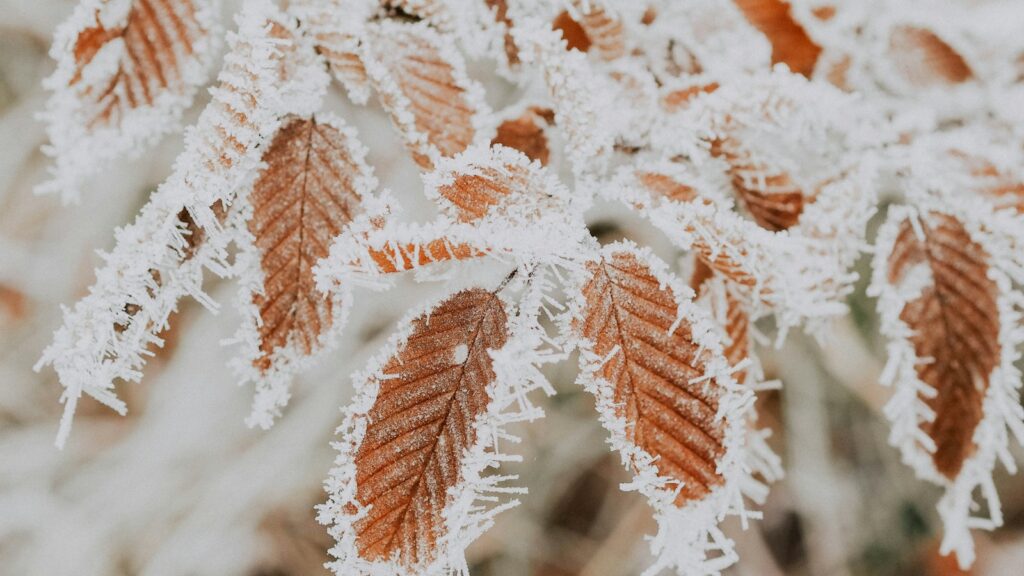
There is a morning each autumn when the grass turns silver and the air bites a little. The first frost is a quiet signal that the season has shifted. For slow travellers, late autumn can be a lovely time to be on the road: softer light, quieter towns and the smell of woodsmoke. It simply asks for a slightly different bag.
Late-autumn trips often mean cold mornings, mild middays and early, chilly evenings, sometimes with rain or wind in between. This guide is about packing for that shoulder season gently, without sliding into a full winter wardrobe.
What changes when the frost arrives
Three things shift at once. Days shorten, so you spend more time outdoors in the cooler hours of dawn and dusk. Temperatures swing more widely across a single day. And indoor spaces, such as trains, cafés and museums, are warm, so you move between cold and heat often.
The answer is not to pack heavier clothes, but to pack smarter layers that adjust quickly, plus a few small comforts for the colder edges of the day.
Autumn rewards the traveller who can add warmth in a minute and remove it just as quickly.
The late-autumn layer set
- A warm base layer: a thin merino or similar top that keeps you comfortable without bulk.
- A cosy mid-layer: a wool jumper or fleece that looks fine indoors too.
- An insulated layer: a packable down or synthetic jacket for cold mornings and evenings.
- A weather shell: a rain jacket roomy enough to fit over your warm layers.
- Trousers that handle damp: a pair that dries reasonably quickly, plus a warmer pair for evenings.
Wear the bulkiest pieces on travel days so the bag stays light and easy to carry.
Small things that make a big difference
On frosty mornings, it is usually the extremities that feel the cold first. These pieces weigh very little and change how comfortable a day feels.
- A soft wool hat that folds into a pocket.
- Thin gloves, or a warmer pair if you expect real cold.
- A scarf or neck tube, which can also be a pillow on a train.
- Warm socks, and one extra pair in case shoes get wet.
- A small thermos for a warm drink on a cold walk.
Footwear for frost and puddles
Late autumn often brings fallen leaves, wet pavements and the occasional icy patch in the shade. Choose comfortable shoes with good grip that can cope with damp, and make sure they are well worn in before you travel. A second, lighter pair for evenings gives your feet a rest and a chance for the first pair to dry.
Comfort for the short days
For darker evenings
- A small torch or head torch for unlit lanes and early dusk walks.
- A reflective band or a light-coloured outer layer when walking by roads.
For dry, heated rooms
- Lip balm and a simple moisturiser, as cold air outside and heating inside can feel drying.
- A refillable water bottle; it is easy to forget to drink when it is cold.
For slow evenings
- A book, a journal or a pack of cards for cosy evenings indoors.
- Soft indoor socks or slippers if you are staying in self-catering accommodation.
The doorway habit: when you step inside a warm train or café, take off one layer straight away. When you step out, put it back on before you feel cold. This small rhythm keeps you comfortable all day.
Plan around the light
Check sunrise and sunset times for each stop before you go and sketch them in your journal. In late autumn, the best light comes early and late, and walks and viewpoints are lovely in those golden hours. Plan longer outdoor outings for the middle of the day, when it is warmest, and keep evenings for slow meals and early nights.
Keeping the shoulder-season list
Because late autumn sits between summer and winter, it is easy to forget a piece or two. A short seasonal list helps. Some travellers keep it on a journal page; others prefer something on their phone, such as the PackChecklist.com web app, which lets you save a named list for the season and tick it off in the browser before you leave.
The takeaway
The first frost is an invitation to travel slowly through soft light and quiet places. Pack a layer set that adjusts quickly, add a hat, gloves, scarf and warm socks, choose grippy shoes, and plan your days around the light. Then the cold edges of the day become part of the season’s charm.