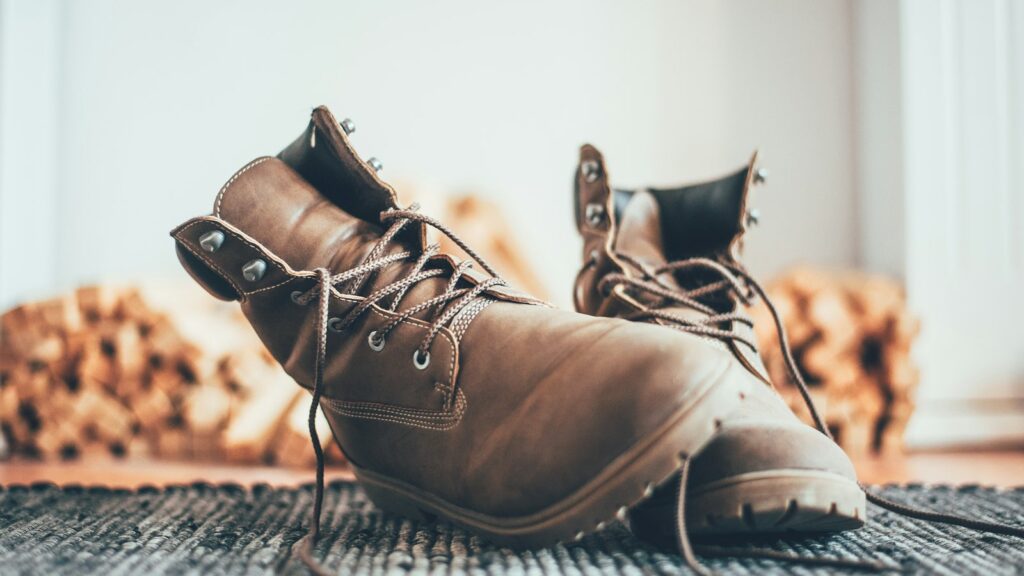
On a walking trip, your shoes carry everything: you, your bag and your mood. A pair that fits well and has been gently worn in lets the miles pass almost unnoticed. A new pair worn for the first time on day one can turn a beautiful route into a long, uncomfortable afternoon.
Choosing and breaking in footwear is one of the most practical forms of travel preparation, and it rewards patience. This guide covers how to choose calmly, how to break shoes in over a few weeks, and how to care for your feet and footwear on the way.
A gentle health note: this article offers general travel tips, not medical advice. If you have foot pain, a medical condition affecting your feet, or concerns about how much walking is right for you, please consult a healthcare professional before your trip.
Choose for the walking you will really do
Before you look at any shoes, think about the terrain and distance of a typical day. City cobbles, forest paths, coastal trails and mountain routes each ask for different things.
- Mostly towns and gentle paths: comfortable walking shoes with cushioning and good grip.
- Mixed trails and long days: trail shoes or light walking shoes with a supportive sole.
- Rough, rocky or steep routes: walking boots with more structure and ankle support may suit you better.
- Wet seasons: water-resistant shoes can help, though they may feel warmer in summer.
Fitting with care
A good fit matters more than any feature. If you can, try shoes on later in the day, when feet tend to be slightly larger, and wear the socks you plan to walk in.
- Check there is a little space in front of your toes, especially for downhill walking.
- Make sure your heel stays put and does not lift much as you walk.
- Walk around the shop or your home, including up and down stairs or a slope if possible.
- Notice any pressure points; they rarely disappear entirely with wear.
The right pair is the one you forget about. Walk until you stop noticing them.
Breaking in, one week at a time
Give new shoes several weeks before a walking trip if you can. The idea is to let the shoe soften and shape itself to your foot, and let you notice any problems while there is still time to change.
Week one: around the house
Wear them indoors for an hour or two at a time. Check how your feet feel afterwards.
Week two: short walks
Take them to the shops, the park or on a short local walk. Try them on different surfaces.
Week three: longer outings
Walk a few hours at a time, ideally with the bag you plan to carry and on terrain similar to your trip.
Week four: a rehearsal day
Plan one full day that resembles a typical trip day. If your feet are content at the end of it, you are ready.
Socks are half the story
Good socks can be as important as good shoes. Choose a pair designed for walking, in a material that manages moisture, and pack enough to change if they get damp. Many walkers like to bring one more pair than they think they need.
Caring for feet on the road
- Stop early if you feel a warm or rubbing spot, and deal with it before it becomes painful.
- Keep a small foot-care kit with blister plasters and a little tape.
- Air your feet at lunch and change socks if they feel damp.
- At the end of the day, give your feet a rest in lighter shoes or sandals.
Evening shoe care: loosen the laces fully, remove insoles if they are damp, and let shoes dry naturally away from direct heat, which can damage some materials. Stuffing them with newspaper helps them dry overnight.
When to retire a pair
Even favourite shoes wear out. If the sole is worn smooth, the cushioning feels flat, or the upper has split, it may be time for a new pair, and time to start the gentle breaking-in process again well before your next trip.
The takeaway
Choose shoes for the walking you will really do, fit them with care, and give them several weeks to become yours. Pair them with good socks, care for your feet each day, and let your shoes dry gently each evening. Then the path ahead feels lighter, step by step. And if anything about your feet worries you, a healthcare professional is the right person to ask.