A silent retreat asks very little of your bag and a great deal of your attention. There is no need for outfits, gadgets or plans. What helps most is a small set of quiet, comfortable things that let you sit, walk and rest without distraction.
Whether you are heading to a meditation centre, a monastery guesthouse or a simple countryside retreat, packing for silence is its own gentle practice. The aim is not to bring everything you might need, but to bring nothing that pulls you away from the stillness you came for. Always check your retreat’s own guidance first, as many centres have their own suggestions and house rules.
Begin with what the days will hold
Retreat days tend to follow a steady rhythm: early rising, periods of sitting, slow walking, simple meals, some quiet work and an early night. Think through that rhythm before you pack. You will spend long hours seated, some time outdoors in all weathers, and a lot of time in shared spaces where noise and strong scents can disturb others.
Ask yourself three questions as you choose each item: Is it comfortable for sitting? Is it quiet? Will it keep my mind here, or send it elsewhere?
Pack as if every object will be heard. In a silent hall, most of them are.
Clothing for long, still hours
Comfort and modesty matter more than style. Many retreats ask for loose, plain clothing that covers shoulders and knees, so check before you go.
- Soft, loose trousers that let you sit cross-legged or kneel without pinching.
- Simple tops in layers, so you can adjust as halls warm up through the day.
- A warm shawl or blanket wrap for early sessions; it can rest around your shoulders without rustling.
- Thick socks, since many halls are shoes-off spaces with cool floors.
- Slip-on shoes you can take off and put on quietly at the door.
- A rain layer and sturdy shoes for walking practice outdoors.
Avoid clothes with noisy fabrics, jangling zips or bold prints. They are not forbidden, but in a quiet room you will notice them, and so will your neighbours.
The small things that help you settle
For sitting
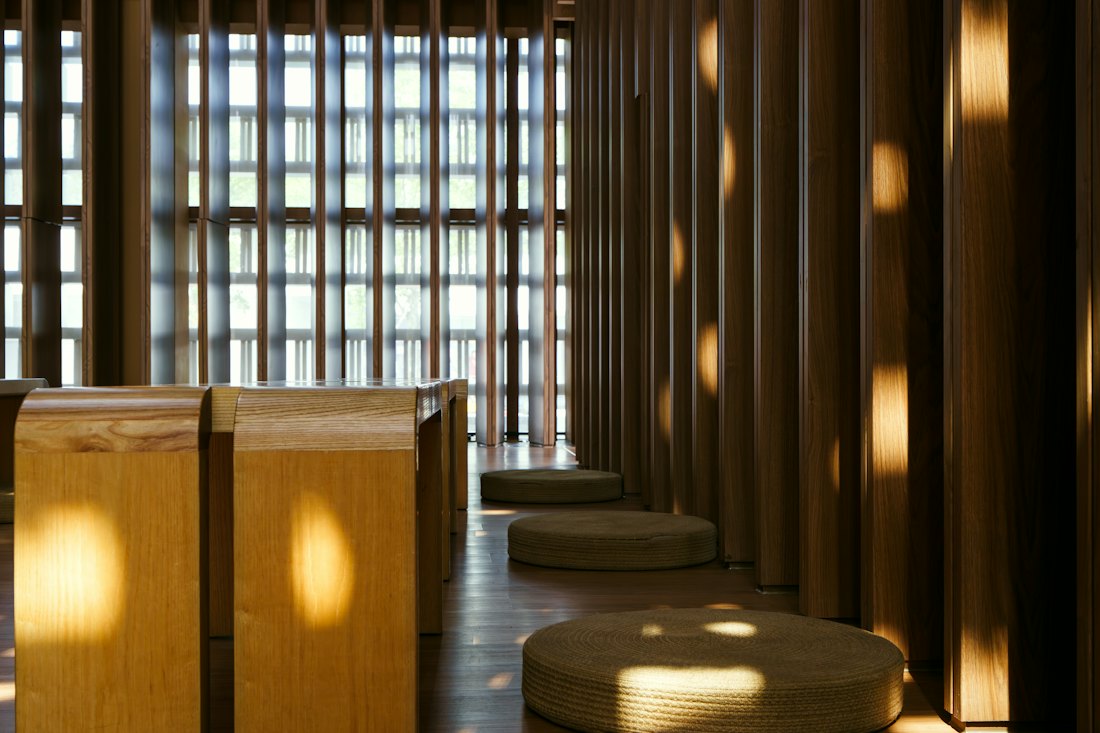
- A small cushion or folded blanket, if the centre does not provide one or if you prefer your own.
- A lightweight scarf to cover your knees or roll as extra support.
For rest
- Earplugs and an eye mask for shared dormitories.
- A small torch for dark paths, ideally one with a soft or red light.
- Unscented toiletries, as many retreats ask guests to avoid perfume.
For reflection
- A plain notebook and pencil, if writing is allowed during your retreat.
- A refillable water bottle that does not clink or crackle.
What to leave at home
Much of the work of retreat packing is subtraction. Many centres ask you to hand in or switch off your phone, and some ask you to avoid reading and writing altogether. Even where they do not, it can help to leave behind anything that invites you back into busyness.
- Laptops and tablets, unless you truly need them for travel.
- Books you are halfway through; they tend to keep a part of your mind elsewhere.
- Strongly scented products, snacks in crinkly wrappers and anything noisy.
- More clothes than you need; laundry is often simple and the days are plain.
Before you leave home: write down any travel details you will need on the way back, such as train times, an address or a phone number, on a small card. If your phone stays switched off, that card becomes your quiet lifeline.
Pack quietly, then pause
Try packing the bag the evening before in near silence. Lay each item out, fold it slowly, and notice any that make you hesitate. It is a small rehearsal for the days ahead. When you are done, lift the bag and sit with it for a moment. If anything feels like a distraction you are bringing along, take it out.
The takeaway
Packing for a silent retreat is packing for comfort, quiet and presence. Choose soft, loose layers and warm socks, bring a few small helpers for sitting and resting, and leave behind the things that pull your attention away. Follow your retreat’s own guidance, and let the bag be as calm as the days you are walking into.